




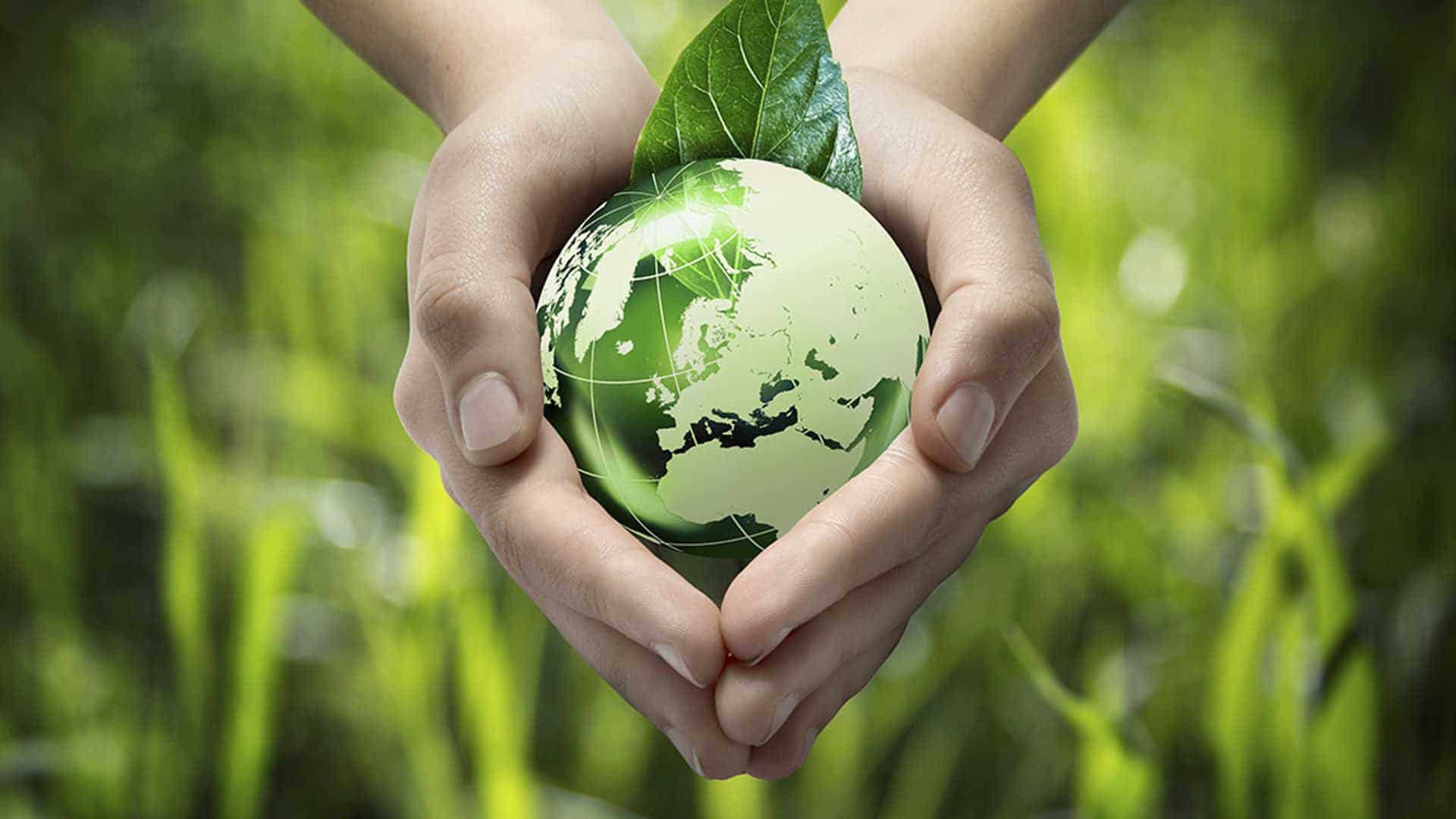
How concerned are you with what you leave behind? With eco-friendliness and a green attitude becoming prominent in today’s day and age, there are still many individuals, as well as corporate entities that appear wholly unfazed by the amount of waste they leave behind. These individuals deliberately choose to remain uninformed on the richness of options currently available for hazardous waste disposal.
Essentially, hazardous waste is any type of material that can come to represent a threat, either to the environment or to the safety of living beings, be they humans or non-humans. They can either be flammable, reactive when in contact with other substances, corrosive or toxic when ingested. And sure, using materials we can clean up a lot of toxins, but we should still be extremely careful. Steven from Tree Removal Permit says that they find at least ten containers of waste in the woods every year.
In case you didn’t know, it’s not just chemical plants or other types of factories that are responsible for this kind of a waste. Individual consumers, as well as some of the most common types of businesses, massively produce such waste – dry cleaners, car repair shops, hospitals, your local photo printing center!
Below are five of the most common ways in which you, or your local business, can do away with potentially dangerous waste.
1. Recycling
Recycling is the best and most cost-effective method for hazardous waste disposal when it comes to day-to-day items, such as lead-acid batteries or computer motherboards. Both these items are loaded with heavy metals, immensely damaging for the environment, but also ideal candidates for use in new products.
Major waste producers, such as coal-fired power plants, will also produce their fair share of dangerous waste. Fly and bottom ash can be reused as pavement filling, while, otherwise, they are highly dangerous, due to the increased level of chemicals they contain.
2. Portland Cement
This method of hazardous waste disposal essentially buries the refuse under a solid and heavy layer of cement. There are five types of such cement, classified according to strength and components. Sludge is one type of waste that can be turned into Portland cement. Prior to this type of recycling, sludge is adjusted and cured, so that the level of contaminants it contains is reduced.
3. Neutralization
Basically, neutralization is a process you learned all about while in junior high, during chemistry classes. Neutralization will actually produce hazardous waste disposal by turning a given quantity of a potentially damaging type of refuse into a completely harmless one. Examples include neutralizing a corrosive acid by using a base, or adjusting the pH of a given substance and thereby reducing its leaching activity.
4. Incineration, Destruction, Waste-to-Energy
Used oils or chemical solvents are the best candidates for turning waste into energy. They are usually burned in cement kilns. The process does away with the waste, while the gases released in the atmosphere during the actual burning constitute the energy. This particular hazardous waste disposal method has been contested as producing its own damaging effects, yet advances in modern technology have made the development of more efficient incinerators possible.
5. Landfill
Hazardous waste disposal through landfills entails isolating said waste in an area that cannot be accidentally or voluntarily accessed by human or non-human entities. It does bear risks, but such permanent disposal facilities are sometimes the only solution available for certain types of refuse.

Comments are closed.